Twin Cities Snow Removal: Why Local Service Delivers Better Results
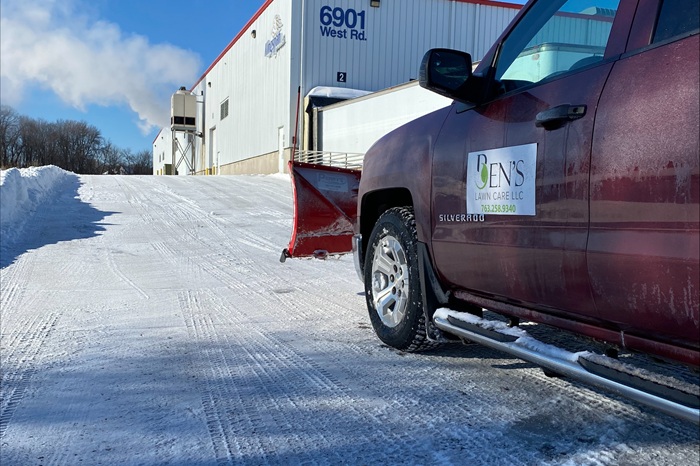
Snow management in the Twin Cities is shaped by weather patterns that can shift quickly, leaving neighborhoods and businesses dealing with packed snow, drifting, and deep accumulation. Local crews understand these conditions because they work in them daily, which helps them respond faster and with more accuracy during each storm.
Ben’s Lawn Care operates in this same environment, so the perspective is grounded in real regional patterns. When weather systems intensify, crews familiar with local routes and terrain can adapt their approach in ways that national providers often cannot. Local service offers a more responsive structure, tighter communication, and an understanding of streets, elevations, and problem areas that consistently influence snow buildup across the metro.
This article explores several key questions related to how local snow programs function and why they produce stronger results. Each section is designed to give a well-rounded and factual explanation of these processes. We hope all of these insights help readers understand the level of planning and structure behind professional snow removal operations across the Twin Cities!
How Snow Removal Routes Are Prioritized for Efficiency
Route prioritization is influenced by several measurable factors, beginning with risk level and traffic volume, which are foundational elements of commercial snow removal planning. High-use areas such as main entrances, drive lanes, sidewalks near public access points, commercial lots, and medical facilities typically receive the earliest service.
This approach aligns with municipal standards across Minnesota, where prioritizing emergency access and primary pathways reduces delays and improves safety for motorists and pedestrians. The timing of the snowfall also matters. When accumulation starts during business hours, teams often modify routes to address areas with active traffic sooner. When storms occur overnight, routes may tilt toward clearing primary access points before morning usage peaks.
Weather forecasting models help determine the order in which teams are deployed. When forecasters call for prolonged accumulation, crews adjust routes so that trucks and loaders cycle through locations at set intervals. This prevents deep compaction, which slows down clearing times and increases fuel usage. In contrast, when storms are shorter but intense, routes may be condensed to allow repeated passes through the highest-priority zones. Route mapping software allows teams to monitor progress and adjust orders in real time, improving consistency from one event to the next.
Local operators also factor in geographic layout, elevation changes, shading, and drifting patterns. Certain Twin Cities corridors experience consistent wind-driven accumulation, requiring earlier or more frequent attention. By blending predictive modeling with direct experience, route plans remain adaptable and accurate during complex weather events. This level of familiarity is one reason local teams perform so well in snow removal across the region.
Equipment That Supports Fast and Reliable Snow Clearing
Snow clearing performance depends heavily on matching equipment to the site type, which is a core principle of effective snow removal techniques. Commercial properties often require heavy machinery such as articulated loaders fitted with pushers, which move large volumes of snow quickly without causing surface damage.
Skid steers function well in tighter spaces where maneuverability is needed, especially around entry points, walkways, and narrow drive areas. Trucks equipped with straight or V-blades handle open lots, long drive lanes, and light to moderate accumulation efficiently. These equipment combinations allow crews to respond dynamically as conditions change throughout a storm.
For deeper accumulation or events involving wet, dense snow, high-capacity containment boxes increase efficiency by reducing the number of passes needed to achieve a clean surface. Sidewalk crews often rely on compact machinery such as small-frame loaders with broom or blade attachments, which reduces manual labor and improves uniformity when clearing pedestrian routes. Many Twin Cities operations also use GPS-guided equipment tracking to document service timing, equipment paths, and completion status, providing accuracy for both compliance and quality control during large storms.
De-icing equipment such as pre-wetting sprayers, calibrated broadcast spreaders, and brine application systems further improve productivity. Pre-wetting helps materials adhere to pavement, increasing effectiveness during periods of fast accumulation. When equipment fleets are diverse and well maintained, crews can adjust tools and methods at each site without slowing down operations or compromising quality.
Safety Procedures Used During Snow Removal Operations
Safety during snow work is grounded in structured protocols developed from industry standards and local experience, including considerations that support long-term practices such as snow mold management in Minnesota, and the protection of turf areas associated with lawn care services. Visibility is a major factor, so crews use illuminated markers, strobes, and reflective gear to remain visible to motorists and pedestrians. Operators follow controlled speeds that account for surface conditions, slope, and nearby foot traffic. Equipment inspections occur before each shift, checking tires, cutting edges, hydraulic systems, and lighting. These steps help reduce mechanical failures during periods of heavy usage.
Communication among team members is another core safety feature. Radios and digital communication tools allow crews to coordinate movement in lots where multiple machines are operating at once. Clear communication also helps avoid overlap and ensures that sidewalk teams and truck operators do not enter the same area simultaneously. During major events, real-time updates help supervisors monitor conditions such as drifting, icing, or reduced visibility.
Training is ongoing throughout the season. Operators receive instruction on proper blade control, awareness zones, emergency response, and hazard recognition. Weather-related risks such as black ice, refreeze cycles, and drifting patterns are also covered. These procedures contribute to reliable performance and reduced incidents during operations.
Environmentally Responsible De-Icing Methods for Winter Maintenance
Environmental considerations play an increasing role in de-icing programs across the Twin Cities. Chloride-based materials remain common, but their ecological impact has led many operations to explore alternatives. Brine solutions reduce overall salt usage by applying only the amount needed to prevent bonding between snow and pavement. This method decreases runoff while maintaining effective traction. Brine also adheres to pavement more efficiently than dry rock salt, reducing scatter and waste during application.
Calcium magnesium acetate (CMA) is another option used in sensitive areas. CMA contains no chlorides and has a lower corrosive effect on infrastructure, though it is generally reserved for high-priority locations because of cost. Blended de-icers that combine traditional salt with organic additives can also improve melting power at lower temperatures, which reduces total application volume. These blends often perform well in shaded or north-facing locations where surfaces remain colder for longer periods.
Operational adjustments further reduce environmental impact. Pre-treating surfaces before storms prevents ice bonding, which cuts down on the amount of material needed later. Monitoring pavement temperature with infrared sensors helps crews choose the correct material for each stage of the storm. These methods work together to maintain traction while lowering the ecological footprint of winter maintenance.
How Teams Manage Heavy Snowfall Events in the Twin Cities
Heavy snowfall events require structured escalation plans. When accumulation rates exceed normal clearing capacity, crews rely on a combination of staged equipment deployment, route compression, and extended cycle times. Staging equipment in advance allows teams to respond quickly when snow begins to fall. During high-intensity periods, crews may remain assigned to a single site until accumulation is controlled, then resume normal routes once conditions stabilize.
Heavy, wet snow often demands larger machinery such as loaders with containment boxes. These machines handle deep accumulation without slowing down operations. Sidewalk teams may shift to mechanical brushes or rotary brooms when blade clearing becomes less efficient. When storms last several hours or span multiple days, supervisors manage team rotations to maintain alertness and reduce fatigue while keeping service continuous.
Drifting and wind-packed snow are common across open areas in the Twin Cities, requiring extra passes and adjustments throughout the event. Local crews anticipate these patterns based on past seasons and site-specific tendencies. Their familiarity with regional snowfall behaviors strengthens response strategies and leads to more reliable outcomes.
How Ben’s Lawn Care Supports Reliable Snow Removal Across All Conditions
Ben’s Lawn Care provides structured planning, professional equipment deployment, and experienced crews that understand Twin Cities weather patterns. Our approach to route planning, safety, de-icing, and large-event management reflects industry best practices backed by regional knowledge.
We offer a full suite of winter services, ranging from plowing and sidewalk clearing to strategic de-icing applications and event monitoring. Call 763-258-9340 or contact us online to request details or get a free estimate before the next storm hits!