Efficient Snow Removal Techniques for Residential Properties
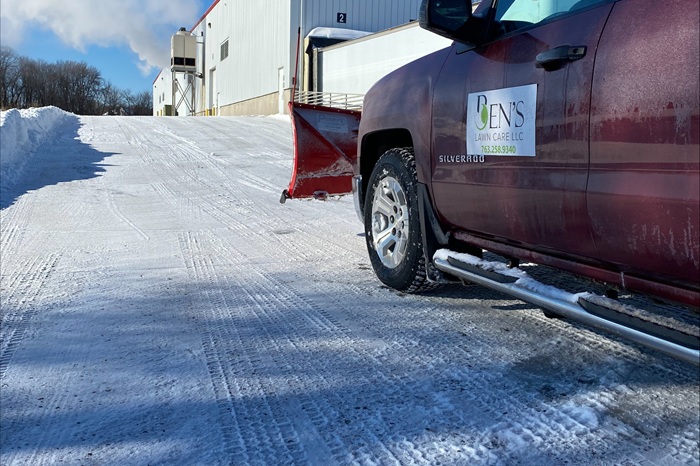
Midwest winters are no joke. One minute your driveway is clear, the next it's buried under six inches of fresh snow. For homeowners, snow removal isn’t just a seasonal inconvenience—it’s a necessity. Keeping walkways, driveways, and roofs clear is critical for daily life and safety. But not all snow removal techniques are created equal.
This article explores the most effective snow removal techniques designed for residential properties. We’ll break down when it makes sense to choose a snow blower over a shovel, review different de-icing methods and their environmental impact, and explain how to protect your home from costly ice dams. We’ll also look at when it’s time to call in professional services, and how to stay safe while clearing snow yourself.
Ben's Lawn Care understands the unique challenges of Minnesota winters. If you're navigating heavy snow or unexpected ice, snow removal doesn't have to be overwhelming. Read on to make smarter, safer choices this winter!
Choosing the Right Snow Removal Equipment: Snow Blowers vs. Shovels
For residential properties, selecting between snow blowers and shovels depends on property size, snow volume, physical ability, and budget. Shovels offer precision and affordability for smaller spaces, such as narrow walkways or steps. They're ideal for quick clearing jobs or lighter snowfalls. Ergonomic and wheeled shovels reduce strain, but the labor-intensive nature can lead to fatigue or injury, especially in older homeowners or those with health conditions.
Snow blowers, on the other hand, are optimal for medium to large driveways and areas with frequent, heavy snow. Single-stage blowers suit flat, paved surfaces with light to moderate snowfall, while two- or three-stage models handle deeper accumulations and uneven terrain. Electric and battery-powered blowers are eco-friendly, though limited by battery life or power output. Gas-powered models offer extended run time and greater force but require more maintenance.
Homeowners should assess terrain, snowfall frequency, and budget. For instance, rural properties or driveways longer than 50 feet benefit from snow blowers, while compact city lots might only require a shovel. Effective snow removal starts with choosing the right tool for your layout and winter climate patterns.
De-icing Products for Driveways and Sidewalks: What Works and What’s Safe
De-icing plays a critical role in maintaining safe walkways, but not all options are created equal. Common products include rock salt (sodium chloride), calcium chloride, magnesium chloride, and potassium chloride. Rock salt is affordable and widely used, though it’s only effective to about 15°F and poses a higher risk of concrete corrosion and environmental runoff. Calcium chloride works in lower temperatures and releases heat upon contact, making it faster and more effective, though more expensive.
Eco-conscious homeowners may choose magnesium chloride, which performs well in cold weather with less environmental impact. Potassium chloride is plant-safe but less effective in extreme cold. Sand, while not a de-icer, adds traction and reduces slip hazards. Each product should be selected based on weather conditions, surface materials, and proximity to vegetation or water systems. Always follow label instructions to reduce overuse and prevent runoff into nearby drainage systems.
Balancing performance and environmental impact is essential. Overuse of de-icers can damage concrete, harm pets, and contaminate groundwater. Choose products labeled as eco- or pet-safe when available and apply sparingly for best results.
Preventing Ice Dams on Residential Roofs and Gutters
Ice dams form when warm air from the attic melts snow on the roof, which then refreezes at the eaves. This ice buildup can trap water behind it, leading to leaks, damaged insulation, and even structural issues. Preventing ice dams begins with improving attic insulation and ventilation. Maintaining consistent roof temperatures helps reduce the melting and refreezing cycle.
Additional solutions include installing heat cables along roof edges, cleaning gutters before the first snowfall, and sealing attic bypasses to prevent heat from escaping into the roof space. Water-repellent membranes beneath shingles offer further protection. Homeowners should also monitor snow accumulation and use roof rakes to remove excess snow before melting begins.
Preventive maintenance before winter reduces risk and expense. Roofers often recommend R-38 to R-49 insulation in attics for colder climates like Minnesota. By addressing ventilation, insulation, and drainage, homeowners can effectively mitigate the threat of ice dams throughout the season.
The Value of Hiring Professional Snow Removal Services
While DIY snow removal works for many homeowners, professional services offer consistency, efficiency, and peace of mind. For larger properties, frequent storms, or those physically unable to manage snow, hiring a reliable crew can mean the difference between a clear driveway and being snowed in. Professionals use commercial-grade snow plows, blowers, and de-icing products to handle heavy snowfall quickly and safely.
Snow removal companies also provide scheduled service during storms, ensuring properties remain accessible throughout severe weather. They often include ice management strategies to reduce slip hazards on driveways, sidewalks, and entry points. Some services offer on-call emergency clearing, which is vital for homes with elderly residents, remote locations, or essential medical needs.
Additionally, contractors understand local regulations regarding snow placement and sidewalk clearing, ensuring compliance with city codes. Homeowners looking for consistent, hassle-free winter maintenance benefit greatly from service plans tailored to property size and layout.
Top Safety Practices for Homeowners Removing Snow
Shoveling snow carries real risks, especially during heavy or wet snowfall. Strains, slips, falls, and even heart attacks are well-documented hazards. To stay safe, homeowners should warm up before beginning, dress in layers, and use ergonomic shovels. Pushing snow instead of lifting it reduces stress on the lower back. Clearing smaller amounts multiple times during a storm is safer than tackling deep accumulation all at once.
Footwear with non-slip soles is critical for avoiding falls on icy surfaces. Keep sidewalks, steps, and driveways well-lit, especially during early morning or late evening work. Never throw snow into the street, which may violate local ordinances and create new hazards. Be cautious around ice and use traction aids like sand or non-clumping kitty litter when needed.
Stay hydrated, take frequent breaks, and avoid overexertion. For those with heart or respiratory conditions, consider hiring help or using mechanized tools. If conditions become unsafe, it’s best to delay removal until daylight or milder weather permits.
Let Ben's Lawn Care Keep Your Property Winter-Ready
Snow doesn’t wait, and neither should you. Whether you're deciding between equipment, evaluating eco-friendly de-icers, protecting your roof from ice dams, or looking to stay safe while managing snowfall, Ben's Lawn Care provides dependable solutions tailored to residential needs.
Located in Wayzata, MN, we specialize in timely, professional snow removal with a focus on safety and precision. From single-property visits to full-season packages, our services are designed to fit your schedule, your budget, and your landscape.
Don’t wait until your driveway is buried—reach out today to discuss how we can support your snow management strategy and answer any questions about products or practices. Call us at 763-258-9340 or contact us online to book your service!