Proven Sustainable Landscaping Ideas That Work in Minnesota
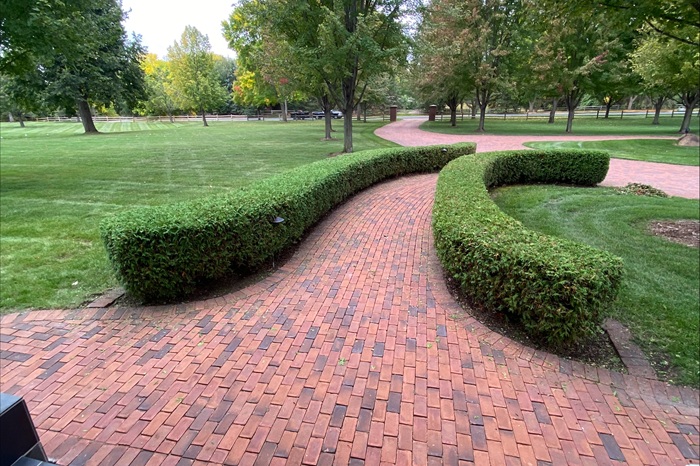
Sustainable landscaping in Minnesota relies on strategies that support long-term lawn and garden health while adapting to the region’s shifting climate. Cold winters, wet springs, and warm summers create conditions that require thoughtful plant selection, soil management, and resource conservation.
Minnesota homeowners and businesses increasingly look for landscaping methods that work with natural systems rather than against them. Companies like Ben’s Lawn Care have extensive experience understanding how environmentally responsible methods perform throughout the state’s varied seasonal patterns.
This article explores proven sustainable landscaping ideas that consistently succeed in Minnesota’s climate. Topics include eco-friendly landscaping practices, the value of native plant integration, water conservation techniques, ecological benefits, and sustainable material choices. Together, these sections provide a detailed look at how environmentally conscious strategies can improve lawn and landscape performance while supporting long-term landscape health and the surrounding environment.
Eco-Friendly Landscaping Practices That Support Long-Term Sustainability
Sustainable landscaping depends on practices that preserve resources and improve soil health. One core method is reducing the use of synthetic fertilizers by incorporating organic matter such as compost, which enhances soil structure and promotes microbial activity.
Organic-based soil improvements also help create a more resilient growing environment capable of managing moisture and supporting plant roots. Another effective practice is minimizing chemical pesticide use by transitioning to integrated pest management strategies. These approaches rely on monitoring, targeted treatments, and natural predator support rather than broad chemical applications.
Mulching is another widely used eco-friendly method in Minnesota. Natural mulch moderates soil temperatures, retains moisture, and reduces weed growth without relying on herbicides. Mulch gradually breaks down, adding valuable organic material to the soil.
Strategic mowing also contributes to sustainability. Adjusting mowing height to encourage deeper roots reduces stress during dry periods and improves overall turf durability. Landscape designs that reduce high-maintenance turf areas, such as converting portions of lawn to garden beds or native plant zones, further reduce fuel, water, and chemical use.
Snow patterns influence winter planning, which has implications for sustainability across multiple seasons. Controlling where snow is piled helps prevent salt runoff and soil compaction in spring. This also aligns with thoughtful snow removal strategies that protect soil integrity and reduce early-season lawn damage as frost recedes.
How Native Plants Are Incorporated Into Sustainable Minnesota Landscape Designs
Native plants are central to sustainable landscaping because they naturally thrive in Minnesota’s climate. These species evolved to withstand local temperature fluctuations, soil conditions, and precipitation patterns, making them less dependent on fertilizers and supplemental watering. Designers often incorporate native grasses, flowers, shrubs, and trees into landscapes to create low-maintenance areas that support stronger plant health throughout the growing season.
Commonly used native species include coneflower, black-eyed Susan, prairie dropseed, and little bluestem. These plants develop deep root systems that stabilize soil, improve drainage, and reduce erosion. Their drought tolerance makes them especially valuable during Minnesota’s dry summer periods. Native shrubs such as red osier dogwood and serviceberry provide structure and seasonal interest while requiring minimal care once established. Incorporating a range of native plant types helps create diverse landscapes that function well under varying conditions.
Designers often group native species according to their preferred sun exposure, moisture levels, and soil types to create balanced and functional landscape zones. This approach ensures that plants receive the conditions they need to thrive naturally, reducing resource use and long-term maintenance.
Water Conservation Techniques Used in Sustainable Landscaping
Water conservation is essential in Minnesota, where rainfall can vary significantly from spring to fall. One widely used technique is installing drip irrigation systems that deliver water directly to plant roots. This reduces evaporation and ensures plants receive consistent moisture. Drip systems are especially effective for garden beds, shrubs, and native plantings. Paired with moisture sensors, these systems help prevent overwatering and reduce runoff.
Rain gardens are another popular conservation method. These shallow, planted depressions capture stormwater and allow it to slowly filter into the soil. Rain gardens help reduce erosion, support groundwater recharge, and remove pollutants naturally through plant uptake and soil filtration. They are particularly effective in urban and suburban settings where impermeable surfaces increase water flow.
Other water-saving strategies include selecting drought-tolerant species, applying mulch to reduce evaporation, and adjusting irrigation schedules based on seasonal weather patterns. These techniques work together to maintain plant health while reducing overall water usage throughout the growing season.
The Benefits of Sustainable Landscaping for Minnesota’s Local Ecosystems
Sustainable landscaping supports local ecosystems by enhancing biodiversity, improving soil health, and reducing chemical inputs. Native plants provide habitat for pollinators such as bees and butterflies, which play an essential role in maintaining ecological balance. These plants also support bird species that rely on seeds, berries, and insects found within native landscapes. When landscapes promote diverse plant life, the interconnected food web strengthens across surrounding areas.
Another benefit is improved soil structure. Sustainable practices such as composting, reduced tilling, mulching, and integrated pest management increase organic matter levels, helping soil retain moisture more effectively. Healthier soil reduces erosion and runoff, lowering the risk of pollutants entering local waterways. By reducing chemical fertilizer and pesticide usage, sustainable landscapes help maintain cleaner lakes, rivers, and wetlands — an important consideration for a state known for its freshwater resources.
Ecological stability also increases when landscapes rely on natural processes. Plants adapted to Minnesota’s climate have lower failure rates, support beneficial organisms, and contribute to healthier microhabitats. These outcomes reflect the long-term environmental value of sustainable landscape planning.
Sustainable Materials Chosen for Environmentally Responsible Landscapes
The choice of materials plays a significant role in sustainable landscaping. Permeable pavers are often selected for walkways, patios, and driveways because they allow stormwater to infiltrate the ground rather than run off. This reduces pressure on stormwater systems and helps maintain groundwater levels. Recycled materials such as reclaimed wood, crushed concrete, and composite products are frequently used to reduce environmental impact and extend the lifespan of landscape features.
Mulches made from locally sourced wood or recycled yard waste provide soil benefits while reducing the need for long-distance transportation. Stone sourced from regional quarries minimizes fuel consumption during transport and aligns with natural Minnesota aesthetics. Planting beds often incorporate compost derived from local organic waste streams, supporting a closed-loop sustainability model.
How Ben’s Lawn Care Supports Sustainable Landscaping Across Minnesota
Ben’s Lawn Care provides environmentally conscious landscaping solutions tailored to Minnesota’s climate and soil conditions. Our experience with regional plant life, soil profiles, and seasonal weather patterns allows us to design landscapes that thrive naturally.
To request guidance or begin planning a sustainable landscape project, residents can contact Ben’s Lawn Care in Wayzata, MN, at 763-258-9340 or contact us online for more details.