What Role Does Root Depth Play in Drought Resistance and Lawn Durability?
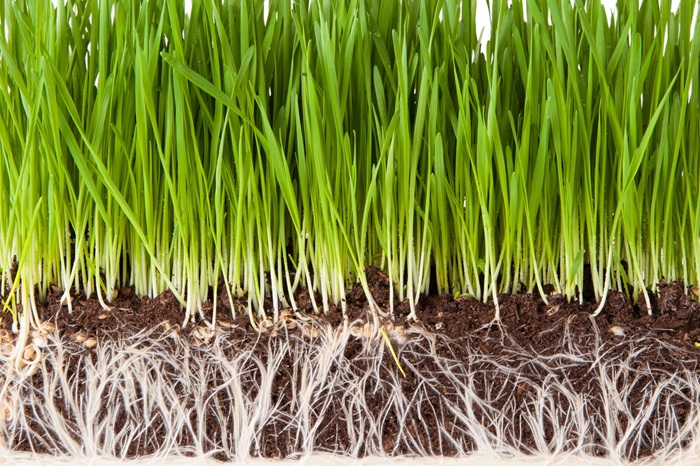
Healthy turfgrass depends on more than what appears above the soil surface. One of the most important factors influencing lawn performance during dry weather is the depth and structure of the root system. Turfgrass with deep, well-developed roots can access moisture stored farther below the surface, allowing it to remain functional during periods when rainfall is limited and upper soil layers dry quickly. This deeper access to water not only delays visible drought stress but also supports consistent nutrient uptake and overall plant stability. In regions that experience fluctuating moisture levels, understanding how root depth affects drought resistance and lawn durability is central to maintaining a strong turf canopy.
Research in turfgrass science shows that lawns with deeper roots are better equipped to handle environmental stress such as prolonged heat, soil compaction, and irregular watering patterns. The following sections explore several core factors that influence turf resilience, including root architecture and water uptake efficiency, soil moisture distribution in the root zone, structural stability created by deeper roots, the role of soil conditions in root development, and how root depth supports seasonal recovery. Ben's Lawn Care works extensively with turf systems where these biological and soil dynamics influence long-term lawn health. Understanding these relationships can help explain why professional lawn care practices often focus on improving root growth rather than only treating surface symptoms.
Root Architecture and Water Uptake Efficiency in Turfgrass Systems
Root architecture plays a central role in determining how efficiently turfgrass absorbs water during dry periods. The depth and density of roots directly influence the volume of soil that grass plants can access for moisture and nutrients. Turfgrass species with deeper root systems are able to reach lower soil horizons where moisture persists longer after rainfall or irrigation. These lower soil layers typically experience slower evaporation rates, allowing water to remain available even when the surface becomes dry.
From a physiological perspective, deeper rooting increases the absorptive surface area of the plant. Roots contain thousands of fine root hairs that act as the primary interface between soil water and plant tissues. As root depth increases, the overall contact area between the plant and soil expands significantly. This improves hydraulic conductivity within the plant, allowing water to move more efficiently from soil particles into the root system and upward through the vascular tissue. Turfgrass scientists consistently observe that lawns with deeper roots can delay visible drought symptoms because they continue extracting water after shallow-rooted plants have exhausted the moisture in the upper soil layer.
Cool-season grasses commonly used in northern climates, including Kentucky bluegrass and perennial ryegrass, benefit greatly from well-developed root systems. Under favorable soil conditions, these grasses may develop roots extending several inches or more into the soil profile. When root systems occupy deeper zones of the soil, turfgrass can maintain metabolic activity longer during periods without rainfall. This biological advantage explains why professional turf management and lawn care programs often prioritize practices that encourage deep rooting rather than relying solely on surface irrigation.
Soil Moisture Distribution and Root-Zone Water Dynamics
Water distribution within soil profiles is rarely uniform. After precipitation or irrigation, moisture first accumulates in the upper soil layers before gradually moving downward through gravitational and capillary forces. At the same time, evaporation begins removing moisture from the surface layer almost immediately. This combination of downward movement and surface evaporation creates distinct moisture gradients throughout the soil profile. The top few inches of soil can dry rapidly, particularly during warm and windy conditions.
Capillary action also plays an important role in how water moves through soil. In finer textured soils such as clay or loam, capillary forces can draw water upward or sideways through small pore spaces. Coarser soils, such as sandy soils, allow water to move downward more rapidly but retain less moisture overall. The relationship between soil texture and water retention directly affects the amount of water available to turfgrass roots. Deeper rooting allows plants to access zones where moisture remains available longer, increasing the total water capacity available to the turf system.
Shallow root systems limit the plant’s ability to access these deeper moisture reserves. Lawns with limited rooting depth often depend heavily on frequent irrigation because the accessible soil layer dries quickly. In contrast, turf with deeper root penetration can sustain metabolic activity for longer periods between watering cycles. These differences in root-zone dynamics explain why turfgrass management strategies frequently emphasize soil health and root development as a way to stabilize moisture availability across the soil profile.
Root Depth and Structural Stability of Turfgrass
Root depth contributes to lawn durability not only through water uptake but also through structural stability within the soil. Turfgrass forms a dense network of fibrous roots that interlock with soil particles. This network creates anchorage that helps stabilize the turf canopy against mechanical stress. When root systems extend deeper into the soil matrix, the turf becomes more resistant to physical disturbances such as mowing, foot traffic, and seasonal soil movement.
Mechanical stability is particularly important in lawns that experience frequent use. Activities such as walking, playing, or routine landscape maintenance place repeated pressure on the turf surface. Deeper root systems distribute this pressure more evenly across the soil profile, reducing the likelihood of turf displacement or thinning. In addition, deeper roots improve the plant’s ability to tolerate moderate soil compaction because they anchor the plant below the most heavily compressed soil layers.
Structural stability also affects the long-term density of the turf canopy. When roots penetrate deeper into the soil, they create stronger attachment points that support upright leaf growth and lateral spreading through rhizomes or tillers. This contributes to a thicker and more uniform lawn surface. Strong root anchorage helps maintain turf coverage even when environmental stress or mechanical wear would otherwise cause thinning.
How Soil Conditions Influence Turfgrass Root Development
Soil conditions strongly influence the depth and health of turfgrass roots. One of the most significant limiting factors is soil compaction. Compacted soils contain fewer air spaces between particles, making it difficult for roots to penetrate deeper layers. As soil becomes denser, mechanical resistance increases and roots may stop elongating altogether. Compaction also restricts oxygen availability in the root zone, which interferes with respiration processes required for root growth.
Oxygen is essential for root metabolism. Turfgrass roots rely on oxygen within soil pore spaces to support cellular respiration, the process that generates energy for growth and nutrient absorption. When soil becomes waterlogged or heavily compacted, these air spaces are reduced or eliminated. Without adequate oxygen, root growth slows dramatically and existing roots may begin to deteriorate. This limitation directly reduces the plant’s ability to access deeper moisture reserves during drought conditions.
Soil texture and drainage characteristics further influence root development. Well-structured soils with balanced particle sizes allow roots to extend downward while maintaining adequate water retention and oxygen availability. In contrast, poorly drained soils or excessively irrigated surfaces may encourage shallow rooting because roots remain concentrated near the moist surface layer. Over time, these conditions reduce drought tolerance regardless of the turfgrass species planted.
Seasonal Stress Recovery and Long-Term Turf Resilience
Deep root systems support the long-term resilience of turfgrass by maintaining strong carbohydrate reserves within the plant. Turfgrass stores energy in the form of carbohydrates within crown tissues and root structures. These stored compounds are critical for survival during periods of environmental stress such as heat waves, drought conditions, or winter dormancy. When roots extend deeper into the soil, plants maintain access to moisture that supports continued photosynthesis and energy storage.
These energy reserves play a central role in seasonal recovery. During drought or heat stress, turfgrass often enters a state of reduced metabolic activity. Leaves may discolor or temporarily stop growing while the plant conserves resources. Once favorable conditions return, the stored carbohydrates in the crown and root system fuel regrowth. Lawns with deeper roots typically recover more rapidly because they maintain stronger metabolic reserves throughout the stress period.
Deep rooting also contributes to disease resistance during environmental stress cycles. Turf weakened by drought or heat becomes more vulnerable to opportunistic pathogens. Plants with stronger root systems are better able to maintain cellular function and repair damaged tissues, reducing susceptibility to disease outbreaks. Long-term turf density and persistence depend heavily on this ability to recover after stress. For additional information about turf management practices, resources from Ben's Lawn Care provide insight into how soil conditions and root development influence lawn performance in Wayzata, MN.
Understanding how root depth affects drought resistance and lawn durability is central to maintaining a healthy, resilient turf system. Ben’s Lawn Care works with homeowners throughout Wayzata, MN to address many of the soil and turf conditions discussed in this article, including compaction, irrigation practices, nutrient balance, and long-term lawn health. Professional turf management focuses on improving soil structure, encouraging deeper root growth, and strengthening the overall stability of the lawn ecosystem.
By improving root development and soil conditions, lawns are better able to tolerate dry periods, recover from seasonal stress, and maintain consistent density across the landscape. Services such as aeration, fertilization, mowing programs, and soil-focused lawn treatments can help support the biological processes that allow turfgrass to develop deeper root systems. These strategies help lawns remain functional and visually healthy even during challenging environmental conditions.
If you want expert help improving your lawn’s durability and drought resistance, the team at Ben's Lawn Care can provide professional guidance and service. Call Ben's Lawn Care at 763-258-9340 or visit their location in Wayzata, MN to learn more about their lawn and landscape services. You can also contact us online to schedule a consultation and discuss the best approach for strengthening your lawn’s root system and long-term health.