Minnesota Sod Installation: Step-by-Step Guide for a Greener Lawn
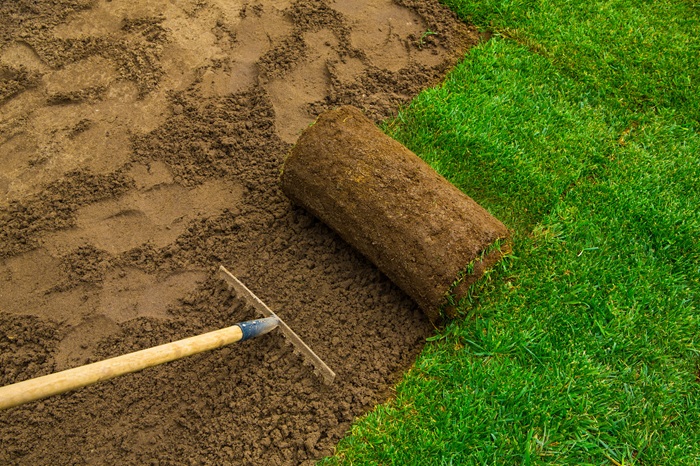
A thick, healthy lawn is one of the most recognizable features of a well-maintained Minnesota property. Homeowners across the state deal with challenging soil conditions, dramatic seasonal changes, and turf varieties that must survive long winters and warm summers. For many properties, sod provides the fastest and most reliable way to establish a dense lawn. With proper preparation and installation, a new lawn can go from bare soil to lush green turf in a single day. Understanding the process behind successful sod installation helps homeowners and property managers create conditions where turfgrass can establish strong roots and thrive for years.
Installing sod is more than simply rolling out grass. Soil preparation, sod selection, irrigation planning, and post-installation maintenance all influence how quickly new turf establishes. This guide explores several key aspects of the process, including how soil is prepared before laying sod, which sod varieties perform best in Minnesota’s climate, how new turf should be maintained, what irrigation schedule supports root development, and how sod installation compares to traditional seeding. Ben's Lawn Care has extensive experience working with lawns in Wayzata and throughout Minnesota, and understanding these principles can help property owners achieve a greener, healthier landscape.
How Soil Preparation Impacts Successful Sod Installation
Soil preparation is one of the most important factors in establishing a healthy sod lawn. Before sod is installed, the existing ground must be cleared of debris, weeds, old turf, and compacted soil layers. In many Minnesota properties, soil compaction occurs due to heavy foot traffic, construction activity, or clay-heavy soils common throughout the region. Compacted soil restricts root penetration and reduces oxygen availability for developing turfgrass. Professional lawn preparation typically begins with removing the existing vegetation and loosening the top several inches of soil using mechanical equipment designed to create an optimal rooting environment.
Once the soil is loosened, grading and leveling become the next critical step. Proper grading helps direct water away from structures while preventing low spots where standing water may collect. Minnesota’s climate can create freeze-thaw cycles that shift soil surfaces over time, so a properly leveled base helps prevent uneven turf establishment. Soil amendments may also be incorporated at this stage. Organic compost, topsoil, and nutrient balancing treatments can improve soil structure and fertility, giving new turfgrass access to essential nutrients required for early root development.
After the soil is prepared, it is lightly compacted and smoothed to create a stable base before sod placement. This step allows sod roots to establish immediate contact with the soil surface, which is essential for successful rooting. When the soil is properly conditioned, new turf can anchor quickly and begin developing a deep root system. Many lawn care professionals performing sod installation emphasize detailed soil preparation because it directly influences how well the sod adapts to the environment and how long the lawn remains healthy.
Best Types of Sod for Minnesota Lawns and Cold-Climate Turf Performance
Minnesota’s climate requires turfgrass varieties that tolerate cold winters, moderate summer heat, and variable rainfall. Cool-season grasses dominate the region because they perform best in northern climates. Kentucky bluegrass is one of the most commonly used sod varieties across Minnesota due to its dense growth pattern and ability to recover from wear. This turfgrass spreads through underground rhizomes, allowing it to fill in small damaged areas and maintain a thick, uniform lawn appearance.
Fine fescue blends are another common choice for Minnesota lawns. These grasses require less fertilizer and water than many other turf types and perform well in shaded environments where other grasses struggle. Fine fescues are often included in sod blends to increase drought tolerance and reduce overall maintenance requirements. In areas that experience heavy foot traffic, perennial ryegrass may also be incorporated into sod mixtures due to its rapid germination and durability.
The selection of sod typically depends on site conditions such as sunlight exposure, soil type, and drainage patterns. Landscapers working in Wayzata, Minnesota often evaluate these factors before recommending a turf blend that performs best in local conditions. Choosing sod suited to Minnesota’s climate improves long-term turf health and helps lawns maintain strong color, density, and resilience throughout the growing season.
Post-Installation Sod Maintenance for Healthy Root Establishment
The first few weeks after sod installation are critical for establishing a healthy lawn. During this period, the turfgrass roots must grow downward into the soil beneath the sod layer. Without proper maintenance, sod can dry out before roots develop strong contact with the soil surface. Newly installed sod typically requires consistent moisture to support root growth while avoiding excessive water that could lead to fungal problems.
Mowing practices also influence early sod health. Newly installed turf should not be cut until the grass reaches a height that allows safe trimming without damaging developing roots. When mowing begins, it is generally recommended to remove only the top third of the grass blade at a time. This mowing method protects the plant’s ability to photosynthesize while encouraging deeper root growth beneath the soil surface.
Fertilization and weed management are additional components of early sod maintenance. Proper nutrient levels support turf establishment and encourage consistent color and growth. Weed control is often introduced gradually once the sod has developed stable roots. These combined maintenance practices allow newly installed lawns to transition from freshly laid sod to a fully established turf system capable of withstanding Minnesota’s changing weather conditions.
Recommended Irrigation Schedule for Newly Installed Sod
Water management plays a significant role in how quickly sod establishes roots after installation. Immediately after sod is placed, the soil beneath the turf must remain consistently moist so that roots can grow into the underlying soil layer. During the first one to two weeks, frequent light watering sessions are typically required to prevent the sod from drying out. This period ensures the turf remains hydrated while the roots begin anchoring into the soil.
As the sod begins to root, irrigation frequency gradually decreases while watering depth increases. Deeper watering encourages roots to grow downward into the soil rather than remaining shallow near the surface. In Minnesota’s climate, adjusting irrigation schedules based on rainfall and temperature helps prevent overwatering while maintaining sufficient moisture for turf development.
Long-term irrigation strategies aim to promote drought resilience. Lawns that receive deep, infrequent watering tend to develop stronger root systems compared to lawns watered lightly every day. This approach supports turf health throughout summer heat and dry conditions while reducing water waste. Effective irrigation planning ensures that sod transitions from newly installed turf to a durable lawn capable of thriving in northern climates.
Sod Installation vs Seeding: Understanding the Key Differences
Sod installation and traditional seeding both establish lawns, but the two methods differ significantly in timeline and early maintenance requirements. Seeding involves spreading grass seed across prepared soil and waiting for germination to occur. While seeding is often less expensive initially, the process can take several weeks before visible grass growth appears. During this time, soil must remain protected from erosion, foot traffic, and environmental stress.
Sod installation provides immediate coverage because mature grass is harvested from specialized farms and transported in rolls or sections. Once installed, sod creates an instant green lawn that stabilizes soil and reduces erosion risks. This immediate ground cover is particularly beneficial on sloped properties or areas prone to runoff where seed could easily wash away before germinating.
Maintenance requirements during establishment also differ between the two methods. Seeded lawns often require several months of careful watering and protection before becoming fully usable. Sod lawns establish faster because the turfgrass already has developed roots and mature blades. Property owners seeking professional insight into turf establishment methods can learn more through resources provided by Ben's Lawn Care, which outlines common lawn care approaches used in Minnesota landscapes.
Professional Sod Installation Services in Wayzata, Minnesota
Creating a lush lawn involves more than laying down grass. Soil preparation, turf selection, irrigation planning, and long-term maintenance all work together to produce a lawn that remains healthy through Minnesota’s changing seasons. Ben’s Lawn Care provides comprehensive lawn care and landscaping services designed to help homeowners achieve reliable turf performance. Their team works with properties throughout Wayzata and surrounding communities to create lawns that combine visual appeal with long-term durability.
From evaluating soil conditions to installing high-quality sod and developing ongoing lawn care programs, their approach focuses on building healthy turf systems that thrive in Minnesota’s climate. Services often include soil preparation, sod installation, fertilization programs, weed management, and routine maintenance to help lawns remain dense and vibrant throughout the growing season.
Homeowners looking to transform their outdoor spaces can speak directly with the team at Ben's Lawn Care for professional guidance. The company is located in Wayzata, MN and can be reached at 763-258-9340. Property owners interested in improving their lawn or planning a new installation project can visit the company website or contact us to learn more about available services.