How Minnesota Lawn Care Services Thrive in a Harsh Climate
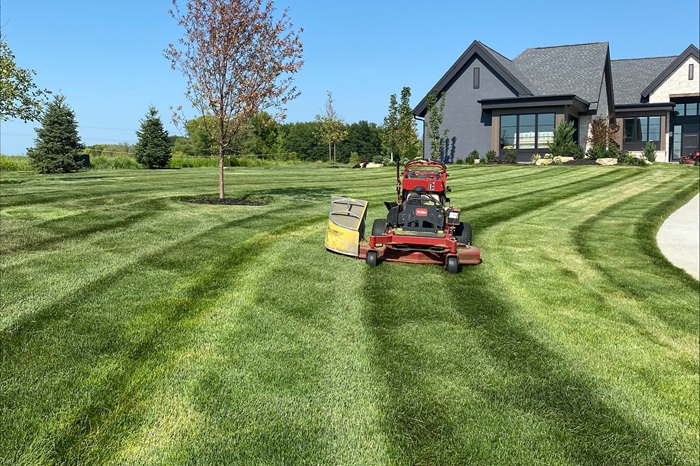
Minnesota’s climate creates a unique set of challenges for lawn care, shaped by the effective extreme weather impact on lawns across the region. Wide temperature swings, heavy snow, dry spells, and fast-growing seasons mean lawns must be managed with an understanding of how local weather shapes turf health.
Companies that work within these conditions every day, such as Ben’s Lawn Care in Wayzata, MN, learn how to adjust their approach month by month to support healthy growth. These constant shifts require careful monitoring of soil conditions, turf response, and outdoor activity patterns, allowing local teams to thrive despite the weather impact on lawns in a climate known for its extremes.
This article addresses five core questions that guide Minnesota lawn management. These include the seasonal patterns that influence turf health, the role of soil composition in shaping treatment programs, the pests that most often target Minnesota lawns, and other related topics. Read on to understand how lawn care services operate successfully in a state known for harsh conditions!
Seasonal Challenges That Affect Minnesota Lawns
Minnesota’s lawns face major seasonal swings that directly influence turf quality. Spring often begins with saturated soil from melting snow, which delays mowing and increases the risk of compaction if equipment enters the lawn too early. During this period, turf commonly displays snow mold, patchiness, and weak early growth. Summer introduces high heat and occasional drought, stressing cool-season grasses that dominate Minnesota landscapes. Extended dry periods reduce root depth and increase the likelihood of weed invasion as turf density weakens.
Fall brings rapid temperature drops, fluctuating rainfall, and accumulating leaf debris that must be cleared to prevent fungal issues. Soil temperatures also decline quickly, affecting nutrient uptake and delaying root repair. Winter creates the most extreme conditions: freezing soil, prolonged ice cover, and mechanical stress from plowing. Seasonal layering of snow and refreeze cycles can suffocate turf, particularly in shaded areas. These variables require flexible management strategies grounded in local expertise.
Snow accumulation also influences spring recovery, especially near driveways and walkways where plowed snow is repeatedly pushed into piles. These areas often experience salt exposure and extended cold retention, delaying turf emergence. Regions with consistent drift patterns may require separate treatment approaches. These same snow patterns influence snow removal methods, which in turn shape early-season lawn care needs.
How Local Soil Conditions Influence Lawn Care Strategies
Minnesota’s soils vary widely due to glacial activity, producing mixtures of clay, loam, and sandy profiles across the state. Clay-heavy soils, which retain water, often experience compaction and poor drainage, making lawn aeration in Minnesota a key part of the annual maintenance cycle. Sandy soils drain quickly, requiring more frequent nutrient applications because minerals leach out faster. Loam soils offer the greatest balance, but they still need seasonal amendments to support strong growth under Minnesota’s weather extremes.
Soil pH levels also affect management plans. Many Minnesota soils lean toward neutral or slightly alkaline, which influences how nutrients become available to turf. When pH levels fall outside optimal ranges, treatments must be adjusted. Testing soil composition allows lawn care teams to identify nutrient deficiencies and correct them through targeted fertilization.
Organic content is another regional consideration. Many soils in suburban areas contain low organic matter due to construction and grading processes, requiring amendments such as compost to improve structure and moisture retention.
Understanding local soil conditions allows lawn care specialists to align aeration, fertilization, seeding, and irrigation with the specific needs of each property. This approach compensates for the stress Minnesota’s climate places on turf systems throughout the growing season.
Pests That Commonly Affect Minnesota Lawns
Several pests are particularly active in Minnesota lawns due to the region’s moisture patterns, soil composition, and cool-season grasses. White grubs are among the most widespread and damaging. These larvae feed on the grass roots, causing the turf to detach and brown in irregular patches.
Grub populations often surge following warm, wet summers that create favorable breeding conditions for beetles. Chinch bugs are another concern, especially during hot, dry summers. They feed on plant juices and cause thin, drought-like patches even when moisture is available.
Sod webworms also appear regularly in Minnesota turf. Their larvae feed at night and hide during the day, producing brown, patchy areas. These pests often thrive in lawns experiencing drought stress or excessive thatch. In shaded locations, fungal diseases such as red thread and dollar spot may become more active due to moisture retention and reduced airflow. Snow mold, which forms under winter snow cover, frequently appears during the spring thaw.
Identifying pest activity early prevents long-term turf decline. Regional expertise helps determine whether damage is caused by insects, disease, or environmental factors, ensuring treatments are timed and applied correctly throughout the season.
How Snowfall Impacts Lawn Health and Maintenance
Snowfall plays a major role in shaping Minnesota lawn health. Prolonged snow cover insulates turf from extreme cold, but it also restricts airflow and light. When snowpack persists, especially in compacted or icy layers, turf can weaken or suffocate. Areas with intense shade may experience slower melting, which creates longer periods of moisture retention and elevated disease risk as temperatures warm. These lingering conditions contribute to snow mold, one of the most common spring lawn issues in Minnesota.
Mechanical stress is another factor. Snow pushed from driveways, sidewalks, and parking areas often forms heavy piles that compress turf. These piles take significantly longer to melt, exposing grass to additional freeze-thaw cycles. Salt runoff from treated surfaces can damage nearby grass, causing browning and delayed spring recovery. Adjustments to fertilization, overseeding, and soil amendments help mitigate these effects during the growing season.
Wind-blown drifting also creates uneven snow distribution that influences soil temperature. Consistent drift patterns often form thin or bare areas that freeze deeply, weakening roots. Monitoring these zones throughout the winter helps teams anticipate problem spots during spring cleanup and seasonal planning.
Recommended Irrigation Practices for Minnesota’s Climate
Irrigation strategies in Minnesota must account for variable rainfall, rapid seasonal shifts, and soil differences across the region. During spring, irrigation is often minimal due to natural moisture from snowmelt. As temperatures rise, turf growth increases and water demand climbs. Deep, infrequent watering is recommended for most Minnesota lawns to encourage root depth and drought resilience. This contrasts with shallow watering, which promotes weak surface roots that struggle during summer dry spells.
During hot periods, early morning irrigation is the most effective method. This timing reduces evaporation and minimizes the risk of fungal growth. Lawn care teams also evaluate soil type, as sandy soils require more frequent watering cycles due to rapid drainage. Clay soils benefit from slower, longer applications that allow water to penetrate rather than run off the surface.
Smart irrigation systems, moisture sensors, and weather-based controllers help maintain consistent hydration without overuse. These tools adapt to rainfall patterns and temperature swings, making them well-suited for Minnesota’s unpredictable climate.
How Ben’s Lawn Care Supports Healthy Lawns Across Minnesota’s Climate
Ben’s Lawn Care provides structured, season-specific strategies tailored to Minnesota’s environment. From spring recovery programs to summer nutrient planning, our approach is built around local weather patterns, soil conditions, and turf responses observed across Wayzata and surrounding regions.
Residents seeking guidance or get a free estimate can reach out Ben’s Lawn Care in Wayzata, MN, at 763-258-9340 or contact us online for additional details or scheduling!