How Does Soil Composition Determine Long-Term Lawn Health in Minnesota Climates?
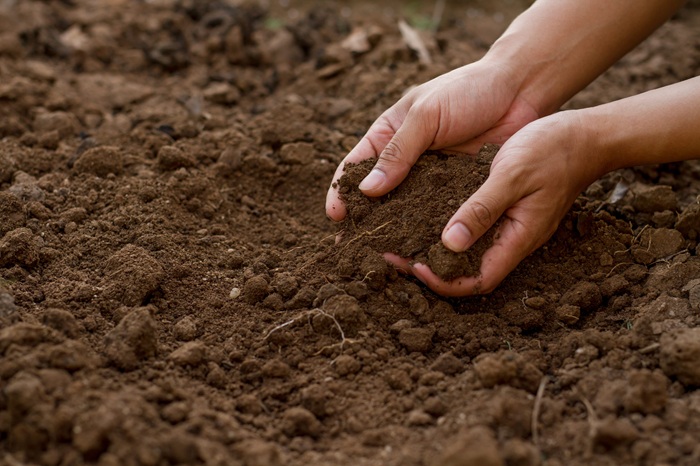
Minnesota lawns grow under environmental conditions that place constant pressure on soil systems. Long winters, repeated freeze–thaw cycles, heavy spring precipitation, and occasional summer drought create a landscape where soil composition directly influences whether turfgrass survives or struggles. The structure of the soil beneath a lawn determines how water moves through the ground, how roots access oxygen, and how efficiently nutrients remain available during the region’s short growing season. Understanding soil composition is one of the most important scientific factors behind long-term turf performance.
Healthy lawns develop when physical soil properties, chemical balance, and biological activity work together. Elements such as soil texture, pH balance, organic matter content, mineral composition, and resistance to compaction all influence how turfgrass species respond to environmental stress. These factors shape root depth, nutrient uptake, and moisture regulation throughout the year. Lawn professionals at Ben's Lawn Care regularly observe how these soil characteristics affect turf stability across Minnesota landscapes. In the sections below, we explore key soil science principles that explain how soil composition determines long-term lawn performance in northern climates, including how soil texture, nutrient availability, organic matter, compaction, and mineral structure influence sustainable lawn care.
How Soil Texture Influences Water Retention, Drainage, and Root Oxygen in Minnesota Lawns
Soil texture describes the relative proportions of sand, silt, and clay particles within the soil profile. These particles vary greatly in size, which determines how water, air, and nutrients move through the ground. Sandy soils contain larger particles that create wide pore spaces. These spaces allow water to infiltrate quickly, but they also drain rapidly, which can leave turfgrass vulnerable to drought during Minnesota’s dry summer periods. Clay soils, in contrast, consist of extremely fine particles that hold water tightly and drain slowly. This often results in waterlogged root zones during heavy spring rainfall or snowmelt.
The balance between drainage and moisture retention directly influences oxygen availability in turfgrass root systems. Grass roots require oxygen for cellular respiration, and poorly drained soils can create anaerobic conditions that limit root growth. In Minnesota landscapes where spring precipitation is often followed by fluctuating temperatures, soils that remain saturated can weaken turfgrass before the growing season fully begins. Sandy soils provide better oxygen exchange but may require greater moisture management to support consistent turf growth during extended dry periods.
Loam soils provide the most favorable structure for long-term turfgrass performance. Loam contains a balanced mix of sand, silt, and clay particles that maintain both drainage and moisture retention. This balance allows water to move through the soil without becoming trapped while still providing sufficient moisture storage for plant uptake. Many professional lawn care programs evaluate soil texture when determining irrigation, aeration, and nutrient management strategies because soil structure determines how efficiently water and nutrients reach turfgrass roots.
In Minnesota, soil texture also influences frost heaving during winter months. Clay-rich soils hold more water and expand significantly when frozen, which can push grass roots toward the surface and damage turf crowns. Sandy soils experience less frost expansion but may struggle with nutrient retention. Understanding soil texture allows landscape professionals to predict how lawns will respond to both seasonal moisture fluctuations and long-term climate patterns.
Soil pH and Nutrient Availability for Cool-Season Turfgrass in Northern Climates
Soil pH measures the concentration of hydrogen ions within the soil solution and determines whether soil conditions are acidic or alkaline. For cool-season turfgrasses commonly grown throughout Minnesota—such as Kentucky bluegrass, perennial ryegrass, and fine fescue—the optimal pH range generally falls between 6.0 and 7.0. Within this range, essential nutrients remain soluble and accessible for plant uptake. When soil pH falls outside this window, chemical reactions within the soil can limit nutrient availability even when fertilizers are present.
Nitrogen, phosphorus, and potassium represent the three primary macronutrients required for turfgrass growth. Soil pH influences how these nutrients interact with soil particles and water. For example, phosphorus becomes chemically bound in highly alkaline soils, reducing its availability to plant roots. In acidic soils, certain micronutrients such as manganese or aluminum may become excessively soluble, potentially leading to toxicity. Balanced soil pH supports steady nutrient absorption throughout the growing season.
Cold-climate turf systems often face shortened growing periods, which makes efficient nutrient uptake especially important. In Minnesota, lawns typically experience active growth during late spring and early fall. Maintaining soil chemistry within an optimal pH range allows turfgrass to absorb nutrients efficiently during these relatively brief windows of biological activity. Soil testing programs frequently evaluate pH alongside nutrient levels to determine how soil composition affects nutrient cycling.
Over time, environmental factors such as rainfall patterns, organic matter decomposition, and fertilizer inputs gradually shift soil pH levels. Monitoring pH allows turf managers to maintain conditions that support stable nutrient availability. Balanced soil chemistry remains one of the foundational factors influencing long-term turfgrass density and resilience in northern climates.
The Role of Organic Matter in Soil Structure, Microbial Life, and Turf Resilience
Organic matter refers to decomposed plant material, microbial biomass, and other carbon-based compounds that accumulate within soil. In Minnesota soils, organic matter plays a central role in maintaining soil structure and biological activity. As organic residues break down, they release nutrients and form humus—an extremely stable component of soil that improves both nutrient retention and moisture regulation.
One of the most significant benefits of organic matter is its ability to improve soil aggregation. Soil particles naturally bind together into clusters known as aggregates, which create pore spaces for air and water movement. In clay soils, organic matter helps prevent particles from packing tightly together, reducing compaction and improving drainage. In sandy soils, organic matter increases the soil’s ability to hold water and nutrients, providing a more stable environment for turfgrass roots.
Organic matter also supports diverse microbial populations within the soil ecosystem. Bacteria, fungi, and other microorganisms break down organic compounds and convert them into plant-available nutrients through biological processes such as mineralization. These microbial communities contribute to nutrient cycling and help stabilize soil structure over time.
In northern climates where temperature fluctuations can be severe, organic matter helps buffer soil moisture and temperature changes. Organic-rich soils maintain more consistent moisture levels during summer heat while improving drainage during periods of heavy rainfall. These properties contribute to stronger root systems and improved resilience against environmental stress.
How Soil Compaction Affects Root Depth and Winter Survival
Soil compaction occurs when external pressure forces soil particles closer together, reducing pore space within the soil profile. This process limits the movement of air and water through the soil and restricts root development. Compaction commonly develops from foot traffic, mowing equipment, and repeated soil saturation followed by drying. In Minnesota lawns, compaction problems often become more pronounced due to freeze–thaw cycles that alter soil structure throughout the winter.
Clay-dominant soils are especially susceptible to compaction because their fine particles compress easily under pressure. When compacted soils restrict oxygen movement, turfgrass roots struggle to penetrate deeper soil layers. Shallow root systems reduce the plant’s ability to access water and nutrients during periods of drought or temperature stress.
Root depth plays a critical role in turf survival during Minnesota winters. Deep root systems allow turfgrass plants to access more stable soil temperatures below the frost layer while storing carbohydrates needed for winter dormancy. Compacted soils limit this root development and increase the risk of winter injury.
Compaction also affects how quickly soils drain during snowmelt. Poor drainage can create prolonged surface saturation that encourages fungal diseases and root stress. Maintaining soil structure that supports air exchange and root penetration helps turfgrass adapt to both seasonal precipitation and temperature changes.
How Soil Mineral Composition and Cation Exchange Capacity Support Long-Term Turf Stability
Soil mineral composition reflects the geological materials from which soil developed. In Minnesota, many soils originated from glacial deposits that contain varying mixtures of sand, silt, clay, and mineral fragments. These mineral components influence the soil’s ability to store and exchange nutrients through a property known as cation exchange capacity (CEC). CEC measures the soil’s ability to hold positively charged nutrient ions such as calcium, magnesium, and potassium.
Soils with higher CEC values generally provide more stable nutrient storage because they can retain nutrient ions on the surface of clay particles and organic matter. This allows nutrients to remain available for plant uptake over extended periods rather than being quickly lost through leaching. Sandy soils typically have lower CEC values, which can reduce nutrient retention unless organic matter levels are increased.
Mineral composition also influences soil structure and resistance to erosion. Soils containing balanced mineral particles form stable aggregates that resist displacement during heavy rainfall or runoff events. In regions where spring storms and snowmelt create rapid water movement across the landscape, structural stability helps maintain consistent root environments for turfgrass.
Long-term turf resilience depends on the interaction between mineral particles, organic matter, and microbial activity. When these components remain balanced, soils maintain consistent nutrient availability and structural integrity over time. Property owners often rely on soil assessments and professional evaluation to understand how mineral composition influences lawn performance in northern climates. For additional information about professional turf management practices and soil-focused lawn programs, property owners may consult Ben's Lawn Care.
Professional Lawn Care Support for Healthy Soil and Long-Term Turf Growth
Healthy lawns in Minnesota depend on more than seasonal mowing or fertilization. Soil texture, nutrient availability, organic matter content, mineral balance, and resistance to compaction all influence whether turfgrass remains dense and resilient through harsh winters and variable summers. Addressing these soil conditions requires consistent evaluation of the root zone environment and careful management practices designed for northern climates.
Ben’s Lawn Care works with homeowners throughout Wayzata, MN and surrounding communities to help improve lawn performance through science-based turf management practices. By assessing soil structure, monitoring nutrient conditions, and implementing appropriate maintenance strategies, lawn professionals can promote deeper root systems, stronger turf density, and improved resistance to environmental stress. These approaches help lawns withstand freeze–thaw cycles, seasonal drought conditions, and heavy precipitation common across Minnesota landscapes.
Property owners who want guidance on improving soil health and long-term turf performance can reach Ben's Lawn Care at 763-258-9340. The company is located in Wayzata, MN and provides lawn care solutions designed for the environmental conditions of the Upper Midwest. Homeowners interested in scheduling a consultation or learning more about soil-focused turf management can contact us to discuss their lawn care needs and explore strategies that support healthy turf growth throughout the year.