How Do You Plan and Maintain a Low-Maintenance Landscape for Busy Homeowners?
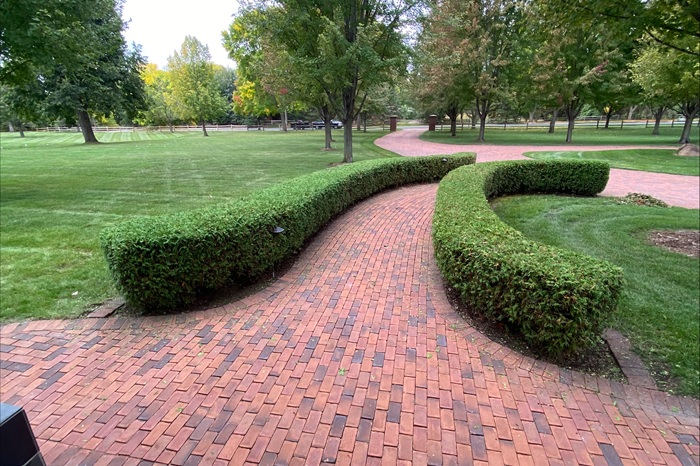
Busy homeowners often want an outdoor space that looks clean, organized, and attractive without demanding constant attention. A well-planned yard can achieve this balance when the landscape is designed with efficiency, plant selection, and long-term care in mind. Low-maintenance landscaping focuses on reducing routine tasks such as watering, mowing, trimming, and weeding while still supporting healthy plants and visually appealing outdoor spaces. Careful planning of plant varieties, irrigation systems, soil protection, and seasonal care practices allows homeowners to maintain a beautiful yard without dedicating large amounts of time to upkeep.
Professional landscape planning often starts by identifying plants that thrive with minimal watering, choosing layouts that reduce maintenance, and protecting soil health through practices like mulching and efficient irrigation. These steps form the foundation of a landscape that works with the environment instead of requiring constant correction. Companies such as Ben's Lawn Care often emphasize strategies that simplify routine yard care while supporting long-term plant health. The sections below examine key topics including plant choices, landscape design strategies, irrigation practices, mulch usage, and seasonal maintenance. Each of these topics plays a major role in creating an efficient outdoor space. For additional information about planning durable outdoor spaces, explore professional landscaping practices used in residential properties.
Drought-Tolerant Plants That Require Minimal Watering and Upkeep
Plant selection is one of the most important decisions when creating a landscape that requires limited maintenance. Many plant species naturally tolerate drought conditions, meaning they can thrive with minimal irrigation once established. Native plants are often the best candidates because they evolved to grow in the local climate and soil conditions. In the Upper Midwest, native grasses such as little bluestem and prairie dropseed are frequently used because they require little supplemental watering, resist many common pests, and maintain structural interest throughout multiple seasons.
Perennial plants that store moisture in their roots or foliage also reduce irrigation demands. Sedum varieties, ornamental grasses, coneflowers, black-eyed Susans, and Russian sage are examples frequently used in residential landscapes because they maintain strong growth without constant watering. Many of these plants also develop deep root systems that stabilize soil and reduce erosion. Deep roots allow the plant to access moisture stored deeper in the ground, which significantly reduces dependence on frequent surface watering.
Another benefit of drought-tolerant plants is their reduced need for fertilization and pruning. Many native species naturally grow in balanced forms and rarely require trimming to maintain structure. Landscapes that combine hardy perennials, ornamental grasses, and native shrubs often maintain visual appeal across multiple seasons while limiting maintenance requirements. These principles are widely used in residential landscaping because they support long-term plant health while minimizing the time homeowners must spend watering and maintaining plant beds.
Landscape Design Strategies That Reduce Long-Term Yard Maintenance
Thoughtful landscape design significantly reduces the amount of routine work required to maintain a property. A well-designed yard organizes plant beds, turf areas, walkways, and hardscape features in ways that limit unnecessary upkeep. One common strategy involves reducing large lawn areas and replacing portions with perennial beds, ornamental grasses, or groundcover plants. Lawns typically require frequent mowing, fertilization, and irrigation, while perennial plantings can remain healthy with far less attention once established.
Another design method involves grouping plants according to water and sunlight needs. Known as hydrozoning, this approach places plants with similar irrigation requirements in the same area. By grouping plants this way, irrigation systems can be calibrated more accurately, which prevents overwatering and reduces wasted water. Organized plant grouping also simplifies seasonal care because pruning, fertilizing, and mulching can be completed in clearly defined zones.
Hardscape elements such as stone pathways, edging, retaining walls, and patio spaces also reduce maintenance demands by minimizing exposed soil areas where weeds commonly grow. Clearly defined borders help prevent grass from spreading into plant beds, which reduces trimming time. When design principles like plant grouping, efficient bed layouts, and structural features are combined, the landscape requires less long-term upkeep while maintaining an orderly appearance.
How Proper Irrigation Systems Support Low-Maintenance Landscapes
Irrigation plays a critical role in maintaining healthy plants while minimizing maintenance requirements. Plants that receive consistent and appropriate amounts of water experience less stress, which reduces susceptibility to disease, pest infestations, and premature decline. Automated irrigation systems provide controlled watering schedules that distribute water evenly across turf and planting areas without requiring manual watering.
Modern irrigation systems often include programmable controllers, moisture sensors, and zone-based watering schedules. These features allow different areas of a landscape to receive water according to plant needs, soil type, and sun exposure. Turfgrass typically requires more frequent watering than drought-tolerant perennial beds, while newly planted trees or shrubs may require deeper watering at longer intervals. Zoning systems allow irrigation schedules to be adjusted for each area without overwatering plants that require less moisture.
Drip irrigation is frequently used in plant beds because it delivers water directly to the soil near plant roots. This method reduces evaporation, prevents water runoff, and minimizes the growth of weeds that often thrive when surface soil remains consistently wet. Efficient irrigation systems maintain stable moisture levels, which supports healthy plant growth while reducing the time homeowners spend manually watering their yards.
Using Mulch Correctly to Reduce Weed Growth and Soil Maintenance
Mulch plays an important role in maintaining low-maintenance landscapes by protecting soil and suppressing weed growth. When applied correctly, mulch creates a barrier that blocks sunlight from reaching weed seeds, preventing many weeds from germinating. Organic mulch materials such as shredded bark, hardwood chips, and compost also help regulate soil temperature and moisture levels, creating stable growing conditions for plants.
A typical mulch layer should be applied at a depth of two to three inches. This thickness is sufficient to suppress weeds while allowing water and oxygen to reach plant roots. Applying mulch too thinly allows weeds to penetrate the layer, while excessive mulch depth can restrict airflow and encourage root rot. Proper application also involves keeping mulch slightly away from plant stems and tree trunks to prevent moisture buildup that may lead to disease.
Mulch also contributes to soil health over time. Organic mulch gradually decomposes and adds nutrients back into the soil, improving soil structure and water retention. Improved soil structure allows plant roots to grow more effectively and reduces the need for frequent fertilization or soil amendments. When mulch is refreshed annually, it continues to suppress weeds while maintaining healthy soil conditions that support plant growth.
Seasonal Landscape Tasks That Prevent Future Yard Problems
Seasonal maintenance helps prevent many common landscaping problems before they become difficult or expensive to correct. Spring tasks often include soil testing, fertilization, pruning damaged branches, and inspecting irrigation systems for proper operation. Early detection of soil nutrient deficiencies or irrigation problems allows adjustments to be made before plants experience stress during the growing season.
Summer maintenance typically focuses on monitoring plant health and addressing issues such as insect activity, disease symptoms, or uneven watering patterns. During this period, adjusting irrigation schedules based on rainfall and temperature helps prevent both drought stress and overwatering. Regular inspections also allow early removal of invasive weeds before they establish deep root systems.
Autumn landscape care prepares plants and soil for winter conditions. Tasks often include leaf removal, final mowing cycles, pruning select plant species, and winterizing irrigation systems. Fall is also an ideal time to apply mulch and plant certain perennial varieties that establish strong roots before winter dormancy. Homeowners seeking guidance on maintaining efficient landscapes throughout the year often reference resources from Ben's Lawn Care to better understand seasonal lawn and landscape management practices.
Professional Help for Low-Maintenance Landscape Planning
Creating a landscape that stays attractive while requiring less work involves careful planning, plant selection, irrigation management, and seasonal care. Ben’s Lawn Care works with homeowners to develop outdoor spaces designed for long-term efficiency. Their services address important elements such as plant selection, soil preparation, irrigation systems, and mulching strategies that support healthy landscapes while reducing ongoing maintenance demands.
Homeowners in Wayzata, MN and surrounding communities often benefit from professional lawn care and landscaping services that address common maintenance challenges. From installing efficient irrigation systems to designing plant beds with drought-tolerant species, experienced landscape professionals can help create outdoor environments that remain manageable throughout the year. These strategies reduce watering requirements, minimize weed growth, and maintain plant health across changing seasons.
If you want to create a landscape that remains attractive while requiring less routine upkeep, contact Ben's Lawn Care for expert guidance. Their team can help evaluate your property and develop a landscape plan that fits your goals and schedule. Reach out by phone at 763-258-9340 or visit their office in Wayzata, MN to discuss your project. You can also contact us online to schedule a consultation and learn more about professional lawn and landscape services.