How Do Grading and Drainage Design Impact Lawn Performance Over Time?
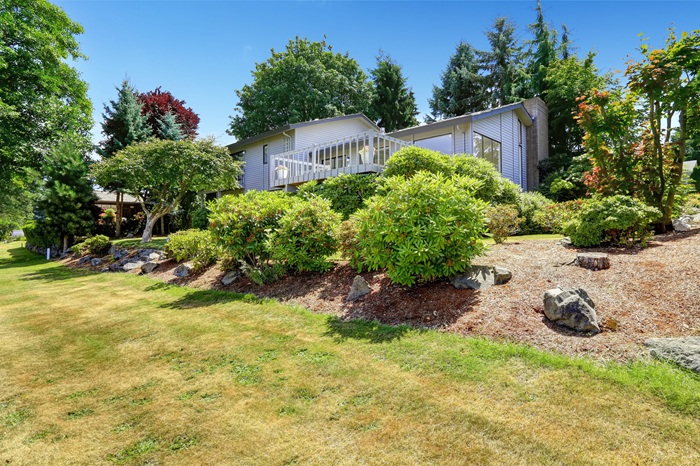
Water management plays a major role in how well a lawn performs over the years. Turfgrass may look uniform from the surface, but the underlying soil profile and grading patterns determine whether water moves efficiently across the property or lingers in the root zone. When grading directs water properly and drainage systems allow moisture to move through the soil, turf roots receive the oxygen they need to remain dense and resilient. When these systems are poorly designed, water accumulation, soil erosion, and compaction gradually weaken the turf stand and reduce lawn durability.
Long-term lawn performance is closely connected to grading accuracy, soil structure, and drainage design. Small variations in slope can redirect water flow patterns, while soil compaction and erosion can slowly change how moisture moves through the landscape. Ben's Lawn Care often addresses lawn performance issues where grading, drainage, and soil structure influence turf health. Understanding how surface grading, root-zone aeration, soil infiltration rates, erosion patterns, and seasonal climate stresses affect turf systems helps property owners maintain stable conditions for long-term lawn growth. For additional background on routine turf management practices, homeowners often explore professional lawn care resources that explain how soil conditions and water management influence turf performance.
How Surface Grading Influences Water Movement Patterns Across a Lawn
Surface grading establishes the directional flow of water across a landscape and determines whether precipitation drains efficiently or accumulates in specific areas. Proper grading typically includes a positive slope away from structures, patios, sidewalks, and foundations. This slope encourages water to travel outward across the lawn rather than pooling near structures. Even slight elevation variations can redirect runoff patterns, especially during heavy rainfall events, causing water to settle in unintended locations.
Water typically moves across turf surfaces through two primary patterns: sheet flow and concentrated runoff. Sheet flow occurs when water spreads evenly across the soil surface, distributing moisture gradually and allowing infiltration into the root zone. Concentrated runoff develops when grading channels water into narrow paths or depressions. These concentrated flows increase velocity, which can erode soil particles and deepen runoff channels over time. As erosion continues, these channels often expand and create recurring drainage problems.
Low areas within a lawn frequently develop when grading inconsistencies interrupt natural sheet flow. These depressions collect water after rainfall or irrigation events, forming chronic wet zones that persist long after surrounding areas dry. Standing water reduces oxygen availability in the soil and weakens turf density, often leading to patchy or thinning grass. Long-term lawn maintenance practices, including structured lawn care, frequently focus on identifying and correcting these grading issues before soil displacement and erosion permanently alter the landscape surface.
Subsurface Drainage and Its Impact on Root-Zone Oxygen Availability
The root zone of turfgrass depends on a balanced combination of water, oxygen, and soil structure. Soil pore spaces allow both water movement and gas exchange, enabling roots to absorb oxygen while releasing carbon dioxide produced during respiration. When soil becomes saturated due to inadequate drainage, these pore spaces fill with water and limit the movement of air through the soil profile. This reduction in oxygen availability directly affects root metabolism and plant health.
Roots require oxygen to produce energy through cellular respiration. In waterlogged soil, oxygen diffusion slows dramatically, forcing roots into anaerobic conditions where metabolic processes become inefficient. Under prolonged saturation, turfgrass roots begin to decline as energy production decreases. Root systems may become shallow and weak, reducing the lawn’s ability to absorb nutrients and withstand environmental stress.
Subsurface drainage systems are commonly installed to address these conditions by removing excess water from the soil profile. French drains, perforated pipe systems, and subsurface tile drains help redirect groundwater away from the root zone. These systems allow soil pores to refill with air once excess water is removed, restoring the gas exchange needed for healthy root respiration. Proper drainage infrastructure maintains soil oxygen levels and supports deeper, more stable turf root development.
Soil Compaction and Water Infiltration Rates in Lawn Systems
Water infiltration describes how quickly moisture enters and moves through the soil surface. Soil texture plays a major role in infiltration capacity. Sandy soils typically allow rapid infiltration due to large particle spacing and greater pore volume. Clay soils, by contrast, contain very fine particles that pack tightly together, creating small pore spaces that slow water movement. These differences strongly influence how water behaves on a lawn during rainfall or irrigation events.
Compaction further restricts infiltration by compressing soil particles and reducing pore space. Heavy equipment, repeated foot traffic, and construction activities can compress the soil surface and form dense layers beneath the turf. When compaction occurs, water struggles to move downward through the soil profile. Instead, it remains on the surface or flows across the lawn as runoff, increasing the risk of erosion and nutrient loss.
Over time, poorly graded and compacted soils experience structural breakdown. Surface crusting can form after repeated wet-dry cycles, particularly in fine-textured soils. These crusts act as barriers that prevent water from entering the soil efficiently. As infiltration declines, turfgrass roots remain shallow because moisture rarely penetrates deeper layers. Shallow root systems make lawns more vulnerable to drought stress, temperature fluctuations, and physical wear.
Erosion, Nutrient Loss, and Long-Term Soil Stability
Erosion occurs when moving water displaces soil particles from the lawn surface. Improper grading accelerates this process by directing water into concentrated flow paths. As runoff travels downhill, it carries fine soil particles and organic matter away from the lawn. Over time, these repeated losses gradually thin the topsoil layer that supports healthy turf growth.
Topsoil contains the highest concentration of organic matter, microbial activity, and plant nutrients. When erosion removes this layer, the remaining soil often consists of denser subsoil material with lower fertility and poorer structure. Subsoil typically contains less organic content and fewer beneficial microorganisms, making it more difficult for turfgrass roots to establish deep, resilient systems.
Nutrient loss accompanies soil displacement during runoff events. Essential nutrients such as nitrogen, phosphorus, and potassium can dissolve in moving water and leave the landscape along with eroded soil particles. Areas experiencing consistent runoff often develop thinning turf because the soil gradually loses both fertility and structural stability. Stabilizing grading patterns and maintaining soil structure are critical for preventing long-term degradation of lawn surfaces.
Seasonal Climate Stress and Drainage Performance in Lawn Landscapes
Lawn drainage systems must perform effectively across a wide range of seasonal weather conditions. In colder regions, spring snowmelt can release large volumes of water into the landscape within a short period of time. If grading and drainage infrastructure cannot move this water away efficiently, lawns may remain saturated for extended periods. Prolonged saturation during early growing seasons limits root oxygen availability and delays turf recovery after winter dormancy.
Summer weather patterns introduce a different type of stress. High-intensity storms can produce sudden rainfall volumes that exceed the soil’s infiltration capacity. When this occurs, water rapidly flows across the lawn surface, following existing grading patterns. Lawns with uneven slopes or poorly designed drainage channels often experience flash runoff that erodes soil and creates new depressions or channels in the turf.
Freeze–thaw cycles during late fall and early spring can gradually alter soil structure and grading profiles. As soil moisture freezes, it expands and lifts the soil surface. When the ground thaws, the soil settles again, sometimes unevenly. Over many seasonal cycles, these shifts can create subtle changes in elevation that redirect water movement across the lawn. Long-term drainage performance depends on maintaining stable grading conditions that accommodate these natural climate stresses. Property owners seeking more information about landscape drainage conditions can review service details from Ben's Lawn Care to understand how grading and soil management influence lawn stability in Wayzata, MN.
Professional Lawn Grading and Drainage Solutions
Long-term lawn performance depends on stable soil structure, accurate grading, and reliable drainage patterns. Surface slopes must direct water away from structures and prevent standing water from forming across the turf. Subsurface drainage systems protect root oxygen levels, while proper soil structure allows water to infiltrate evenly without causing erosion or runoff damage. When these elements function together, turfgrass develops deeper root systems and maintains consistent density over time.
Ben’s Lawn Care provides landscaping and lawn management services designed to maintain healthy soil conditions and stable lawn surfaces. Property owners throughout the Wayzata area often encounter grading irregularities, compacted soil, or drainage limitations that affect turf health. Evaluating water movement patterns, soil structure, and seasonal moisture conditions helps identify the underlying causes of thinning turf, erosion, and chronic wet areas.
For property owners who want expert guidance on lawn grading, drainage performance, and long-term turf stability, Ben's Lawn Care offers professional support and consultation. The team can evaluate lawn conditions, identify grading concerns, and recommend solutions that support healthier turf growth across all seasons.
Contact Ben's Lawn Care at 763-258-9340 or visit their office in Wayzata, MN to learn more about improving lawn performance through proper drainage and soil management. You can also reach the team online through their contact us page to discuss your property and schedule an evaluation.