Designing Retaining Walls That Withstand Minnesota’s Tough Conditions
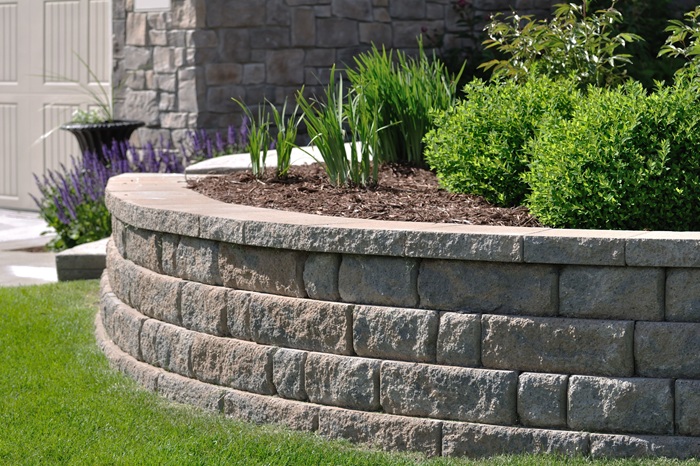
Retaining walls in Minnesota must be designed to tolerate moisture fluctuations, freeze–thaw cycles, soil expansion, and shifting loads created by the region’s dramatic weather changes. These structures are more than simple landscape features — they act as stabilizing systems that prevent erosion, support grade transitions, and protect nearby hardscapes.
Because Minnesota’s climate can place significant stress on built structures, successful retaining wall design requires an understanding of how materials, soil composition, and drainage interact with local environmental conditions. Companies familiar with the region, such as Ben’s Lawn Care in Wayzata, MN, apply proven techniques that hold up year after year.
This article explores the material choices that perform best in Minnesota’s environment, how soil type influences design and engineering, and the maintenance practices that extend structural lifespan. Read on for a comprehensive overview of how well-designed retaining walls withstand seasonal pressures while enhancing outdoor spaces!
Materials Best Suited for Minnesota’s Climate
Material selection is central to retaining wall durability in Minnesota. Concrete block systems—especially segmental retaining wall (SRW) units—perform well because they accommodate slight ground movement without cracking. Their interlocking design distributes load efficiently, making them a strong choice for the state’s freeze–thaw cycles. Natural stone is also widely used, offering structural stability and a long lifespan when installed with proper base preparation. Stone tolerates temperature variation and provides a visually seamless connection with Minnesota’s natural landscape.
Timber walls appear in some residential settings but generally have a shorter lifespan due to moisture exposure and soil contact. In contrast, poured concrete offers strength but is prone to cracking if not engineered with expansion joints and adequate reinforcement. Composite materials and engineered blocks designed for cold climates provide additional options for specific site needs. These materials resist moisture absorption, reducing surface spalling during winter.
Local climate conditions, including snow accumulation and runoff patterns, help determine which materials perform best. The interaction between winter heaving, meltwater distribution, and weight-bearing surface freeze impacts material behavior, which ties into snow removal planning around retaining wall installations.
How Soil Type Affects Retaining Wall Construction
Soil characteristics determine how the wall must be engineered to support lateral pressure. Clay soils, common throughout Minnesota, expand significantly when wet and contract during dry periods. This constant movement increases the force exerted on retaining walls, requiring reinforced backfill systems and proper compaction. Sandy soils, on the other hand, drain quickly but provide less natural stability, increasing the importance of mechanically stabilized backfill.
Loam soils provide the most balanced conditions, but still require proper base preparation. Engineers evaluate soil bearing capacity to determine the depth and width of the wall’s footing. Minnesota’s frost line—typically around 42 to 48 inches—must also be considered to prevent shifting. Walls built without accounting for these variables are at higher risk of tilting or separating over time.
Soil testing often reveals compaction inconsistencies, organic pockets, or moisture retention issues that influence reinforcement design. These evaluations ensure the wall can tolerate seasonal changes without structural compromise.
Drainage Solutions Integrated Into Retaining Wall Designs
Proper drainage is one of the most important elements of retaining wall construction. Without it, water pressure builds behind the wall and leads to bowing, cracking, or collapse. Minnesota’s frequent cycles of snowfall, rain, and melting create additional hydrostatic pressure that must be managed. Perforated drain tiles placed at the base of the wall are standard practice. These pipes direct water away from the structure, preventing buildup that could destabilize the system.
Backfilling with washed rock or gravel helps create pathways for water movement, reducing freeze-related expansion. Geotextile fabrics prevent soil from clogging drainage channels, ensuring long-term reliability. Weep holes are sometimes used in taller walls to allow moisture to escape naturally. In areas with heavy clay content, enhanced drainage solutions may be necessary due to slower water movement through the soil.
Grading around the wall also plays a key role by redirecting surface water away from the structure. Without these measures, Minnesota’s freeze–thaw cycles significantly increase the risk of failure.
How Retaining Walls Enhance Landscape Aesthetics
Retaining walls add structure and visual appeal to Minnesota landscapes by creating defined tiers, usable flat spaces, and accent features that complement the natural environment. Designers often use walls to transform sloped yards into functional areas for patios, gardens, and pathways. Materials such as natural stone or textured block blend seamlessly with local terrain, creating cohesive outdoor spaces that reflect regional character.
Layered terraces supported by retaining walls create depth and interest, allowing homeowners to incorporate planting beds, lighting, and decorative elements. Walls can highlight architectural features or create transitions between outdoor living areas. The versatility of modern SRW blocks provides an array of colors, textures, and shapes that enhance visual impact without sacrificing structural integrity.
Because these walls become part of the landscape’s identity, design choices aim for harmony with surrounding vegetation, hardscapes, and property lines. A well-designed wall supports both functional and aesthetic landscape goals simultaneously.
Maintenance Required for Long-Term Durability
Ongoing maintenance helps retaining walls withstand Minnesota’s intense seasonal shifts. Inspecting walls yearly for movement, separation, or bulging ensures issues are addressed before significant damage occurs. Maintaining proper drainage is especially important—clogged drain tiles, compacted soil, or blocked weep holes increase water pressure behind the wall. Clearing debris after winter reduces moisture retention and prevents freeze-related damage.
Vegetation management also supports wall longevity. Roots from nearby trees or shrubs can exert pressure on wall components over time, particularly in natural stone or timber structures. Sealing or resurfacing materials designed to tolerate freeze–thaw cycles may also be needed, depending on the wall type. Timely repairs prevent minor issues from accelerating into structural instability.
How Ben’s Lawn Care Designs Durable Retaining Walls for Minnesota Properties
Ben’s Lawn Care incorporates proven engineering principles and material selection standards tailored to Minnesota’s demanding climate. Their approach accounts for frost depth, soil movement, drainage needs, and seasonal load changes. By combining structural expertise with practical landscape design knowledge, they create retaining walls that support both functional and aesthetic goals across diverse properties.
Their services include material evaluation, site preparation, wall installation, drainage integration, and ongoing maintenance planning. Each project is guided by careful analysis of soil conditions, grade transitions, and water flow patterns. This attention to detail supports long-term durability, even under Minnesota’s challenging seasonal pressures.
Residents seeking durable retaining wall solutions can contact Ben’s Lawn Care in Wayzata, MN, at 763-258-9340 or contact us online for more information or service scheduling.